
Calvino and us
Expanding on 'An Atlas of Italian Post-Modern Writing'

In the previous piece, I attempted a whistle-stop tour through Italian Postmodern writing, structured in the spirit of Oulipo - a fitting formal choice, I felt, given the nature of the works I was exploring, and a sign of respect to the writers who wrote in the same manner.
Each of these texts, in their own distinct ways, intersected with the movement, and presenting them within an Oulipian frame allowed me to gesture toward that shared lineage. The result was somewhat chaotic, and on re-reading, perhaps a little cringe-worthy. Still, it was animated by a clear centre: the life and work of Italo Calvino. His Invisible Cities provided both the stylistic baseline and conceptual spark for the entire approach.
Though uneven, the piece might benefit from a more focused examination of Calvino himself - his aesthetics, his literary evolution, and his place within contemporary literary discourse.
What follows is an attempt at that.
Calvino and Us
On the outcomes of insanity in literature
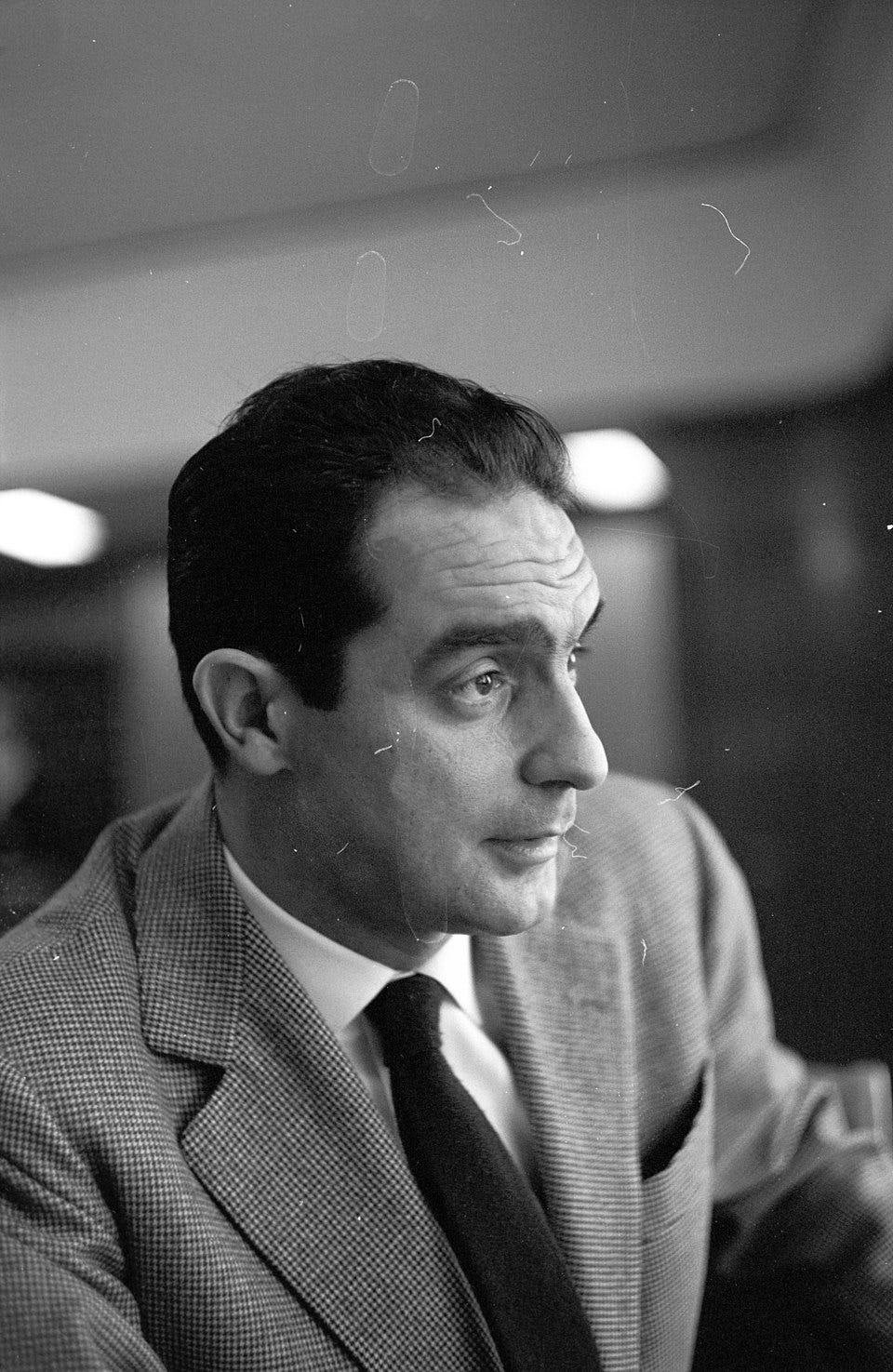
Italo Calvino stands as one of 20th-century Europe’s most inventive writers, a novelist and essayist whose work bridges starkly different literary movements.
Over a four-decade career, Calvino evolved from a young communist partisan and neorealist storyteller into a playful postmodern fabulist and member of the avant-garde Oulipo group. His intellectual journey – from early faith in political ideology to an eventual embrace of ambiguity, structure, and imagination – mirrors the turbulent cultural transformations of his era.
This piece will trace Calvino’s full body of writing (fiction, essays, and commentary) within the context of 20th-century Italian and European intellectual movements, exploring how his affiliations shaped his literary evolution and outlook.
Roots of Resistance: Neorealism and Communist Ideals
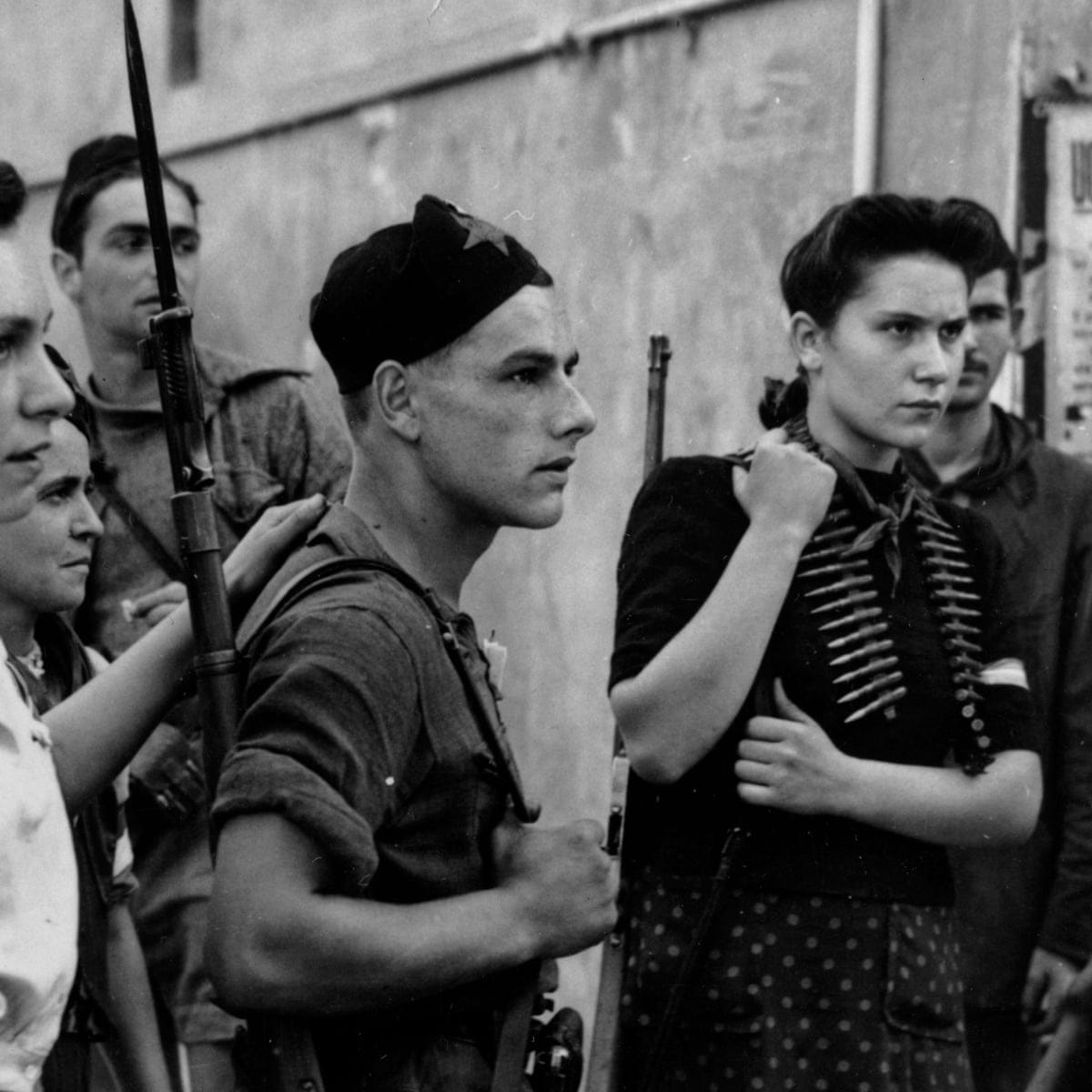
Calvino’s formative years unfolded amid the upheavals of World War II and the Italian Resistance. Born in 1923 to freethinking parents (his father a botanist and his mother a botanist as well) with anti-fascist and even anarchist leanings, Calvino grew up steeped in a spirit of anti-authoritarianism.
As a university student during the German occupation of Italy, he joined the partisan Resistance against Mussolini’s regime – an experience that deeply shaped his early worldview. Like many Italian intellectuals of his generation, Calvino emerged from the war with communist sympathies, seeing Marxism as a path to rebuild society on fairer, more rational grounds.
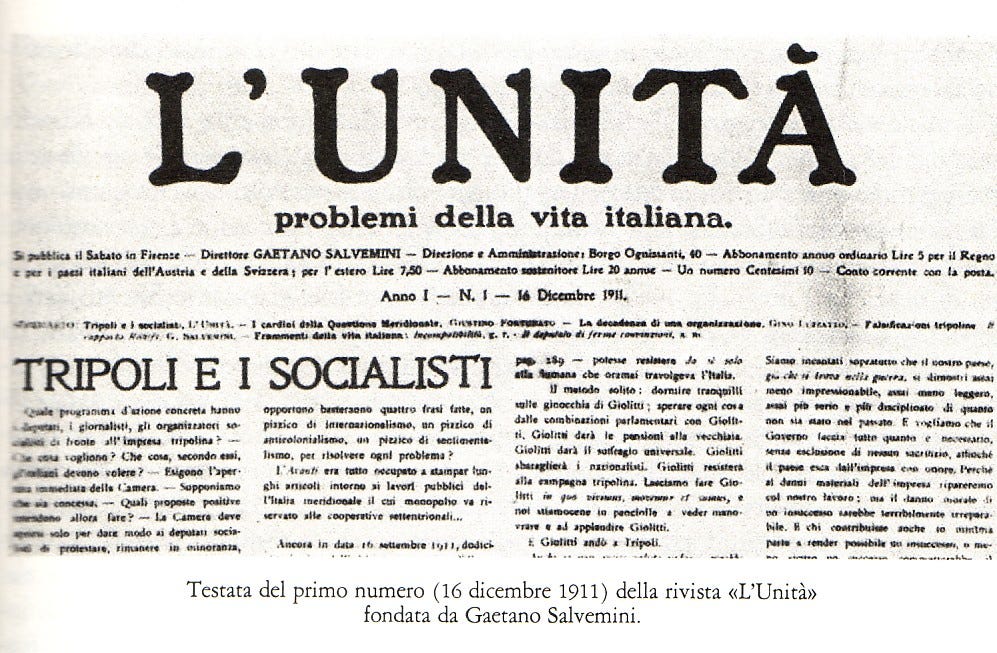
In the late 1940s he formally became a member of the Italian Communist Party and worked as a journalist for the party’s newspaper L’Unità. It was during this postwar period that Calvino launched his literary career under the banner of Italian Neorealism. Neorealism, the dominant intellectual and aesthetic movement in Italy after WWII, sought to truthfully depict the struggles of ordinary people amid social and economic turmoil.
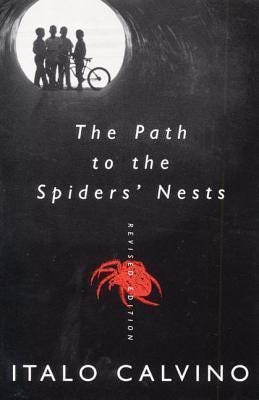
In film and literature, neorealists favoured unadorned narratives about war, poverty, and resistance. Calvino’s debut novel, The Path to the Nest of Spiders (1947), fits squarely into this context. It tells the story of a young boy in the Resistance and portrays wartime events through a child’s eyes. Yet even here, Calvino’s approach was not straightforward realism. Critics have noted that in this novel Calvino challenged the “poetics of objectivity” of neorealism by injecting irony and a sense of fable into the anti-Fascist narrative.
We all have a secret wound which we are fighting to avenge.
- The Path to the Nest of Spiders (1947),
The result is a complex, multi-layered take on partisan life rather than a simple heroic tale. As scholar Lucia Re observes, The Path to the Nest of Spiders marked the origin of Calvino’s personal “ethics of writing,” one that already set him slightly apart from his neorealist peers. Throughout the late 1940s and early 1950s, Calvino remained closely tied to Italy’s leftist literary circles.
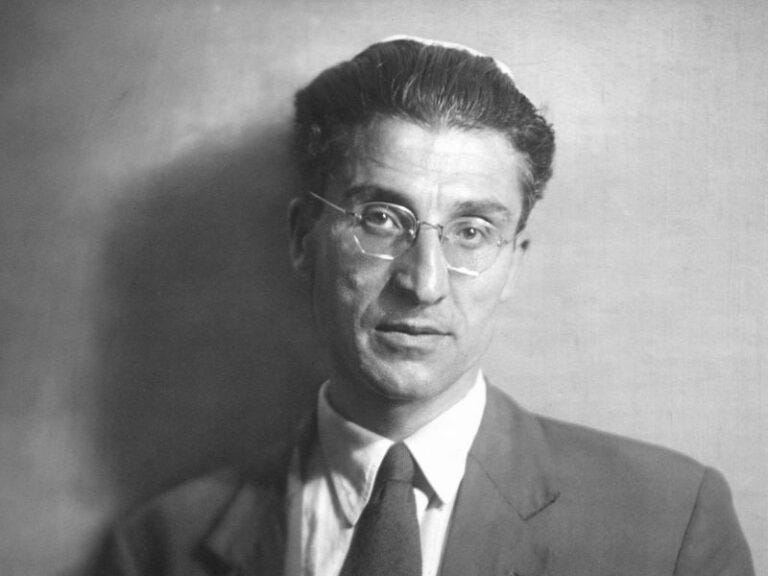
He worked at the Einaudi publishing house in Turin, alongside mentor figures like Cesare Pavese and Elio Vittorini, who were leading neorealist writers and engaged Marxist thinkers. Calvino’s early short stories and essays from this period often combined social commentary with a light ironic touch. For instance, in Il Politecnico, a cultural journal edited by Vittorini, Calvino published pieces reflecting on the intersection of literature and political commitment. He was very much a “committed” intellectual of the postwar Left, believing in literature as a tool for social progress.
Yet, even as Calvino embraced communist ideals, he maintained a lifelong love of fantasy, folktales, and the fantastic.
In interviews he reminisced about reading adventure stories up in the trees as a boy and feeling like the “black sheep” in a scientifically minded family. This dual allegiance - to realism and to imagination - would characterise much of his career.
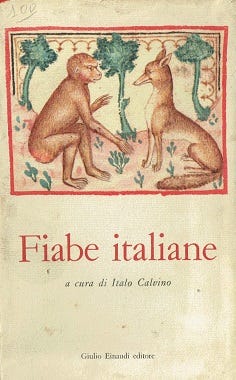
In the early 1950s, Calvino published Italian Folktales, a collection of traditional stories he retold, indicating his deepening interest in fabular narrative. Still, his political engagement remained intense: in 1952 he traveled to the Soviet Union as a correspondent for L’Unità, and he defended the Soviet line on some matters upon return. By the mid-1950s Calvino was known in Italy not just as a rising literary star, but as a devoted communist militant intellectual.
Leaving the Party and Literary Rebirth
The year 1956 proved to be a turning point for Calvino and many leftist writers of his generation. The Soviet Union’s brutal suppression of the Hungarian Uprising in 1956 sent shockwaves through the international communist community.
Calvino, who had loyally defended the Communist Party line in the past, found himself unable to reconcile these violent events with his conscience. In 1957, he made the painful decision to resign from the Italian Communist Party, publishing a widely noted letter in L’Unità explaining his reasons. In this resignation, Calvino condemned the Soviet invasion of Hungary and the revelations of Stalin’s crimes, while still affirming his “confidence in the democratic perspectives” of a reinvented, humane communism. This was part of a wider split within the PCI (Italian Communist Party) on the issue, which would see its leadership fracture significantly.
In other words, he was disillusioned with the Party’s dogmatism and authoritarian turn, its close relationship to the Comintern, and its wider relationship to Moscow. But he had not entirely given up on the ideals of social justice and equality.
Calvino’s break with the Communist Party marked the end of one kind of political engagement – he would never join another party thereafter – but it also freed him to explore new literary directions.
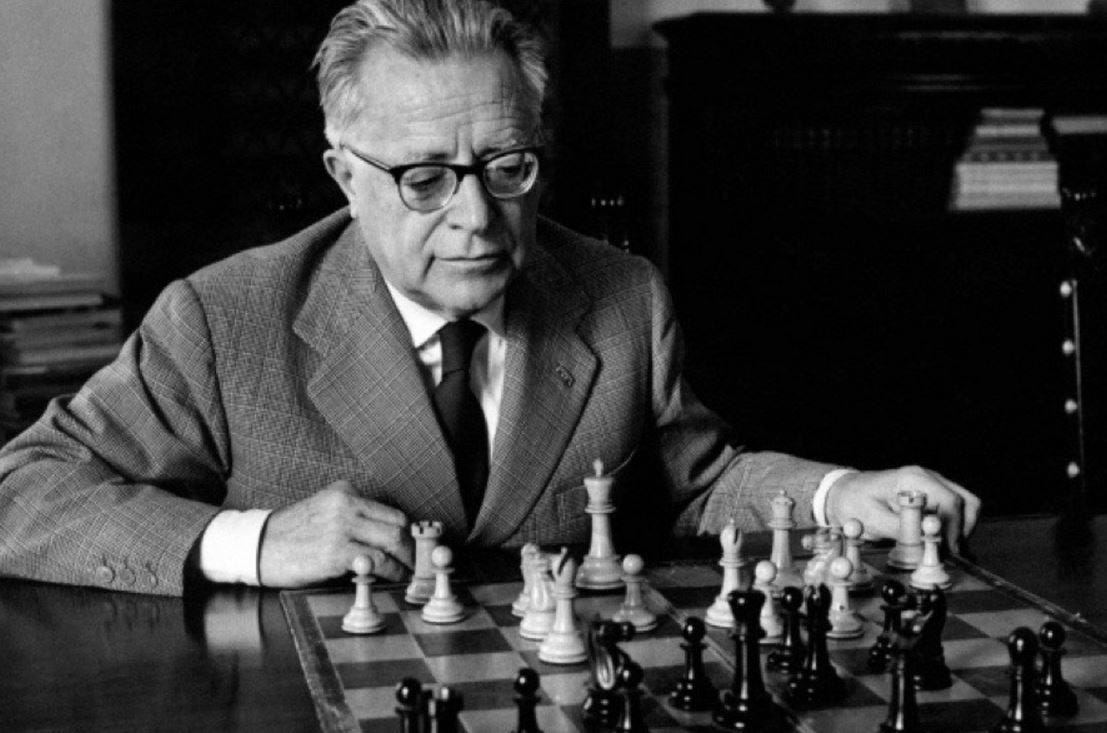
Ostracised by some of his former comrades (Communist leader Palmiro Togliatti shunned him after his public dissent), Calvino channeled his conflicted feelings into fiction. Almost immediately, in 1957, he began writing The Baron in the Trees, a whimsical novel about a nobleman’s son who climbs into the treetops one day and refuses to ever come down. On the surface a historical fantasy set in the 18th century, The Baron in the Trees was also a clever allegory for the intellectual’s role in society amid shattered ideals.
The protagonist, Cosimo, literally lives above ground, watching human society from a critical remove – a stance not unlike Calvino’s own withdrawal from partisan politics while still observing it keenly.
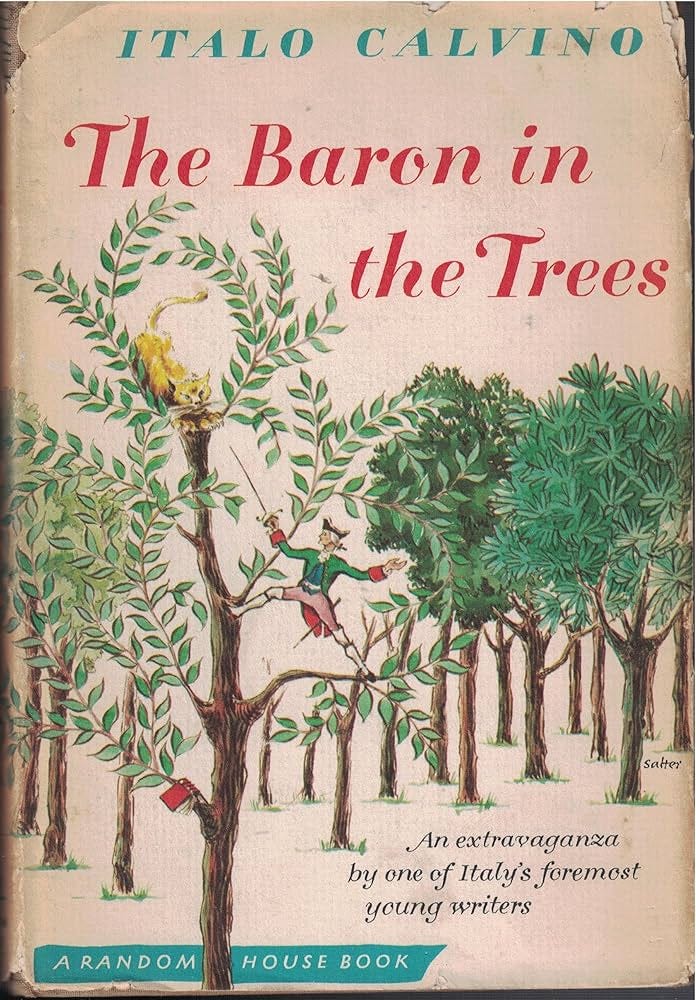
Calvino later acknowledged that this novel was “based on the problem of the intellectual’s political commitment at a time of shattered illusions”. In weaving an imaginative fable out of his political disenchantment, Calvino had reinvented himself as a writer. The late 1950s and early 1960s saw Calvino increasingly turn to allegory, fantasy, and science-tinged fiction – a notable shift from his earlier neorealist mode. He published Our Ancestors, a trilogy of whimsical novellas (including Baron in the Trees) that use fantastical premises to explore philosophical questions. He also wrote La speculazione edilizia (translated as A Plunge into Real Estate), a satirical novella about a building boom, reflecting on economic greed and urban change.
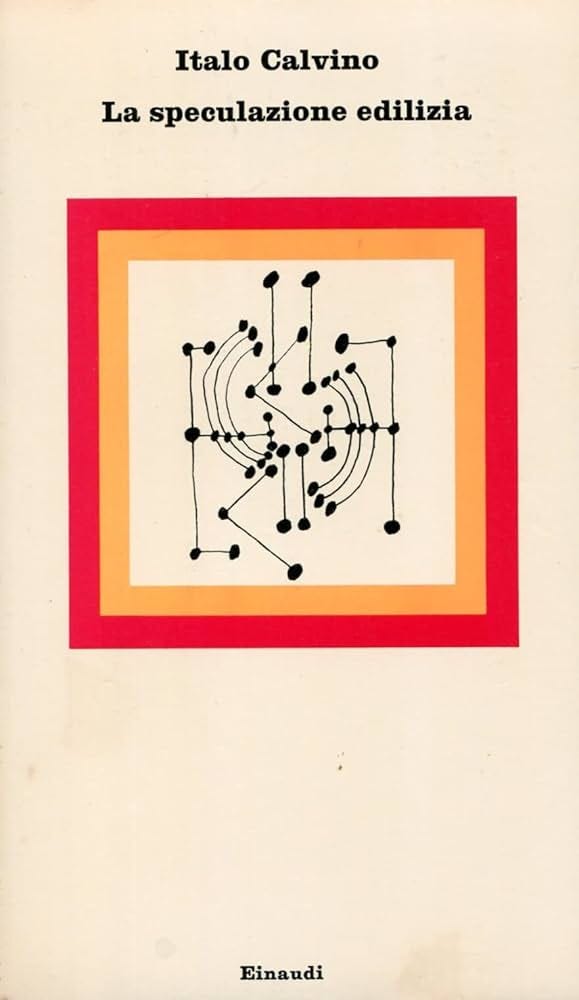
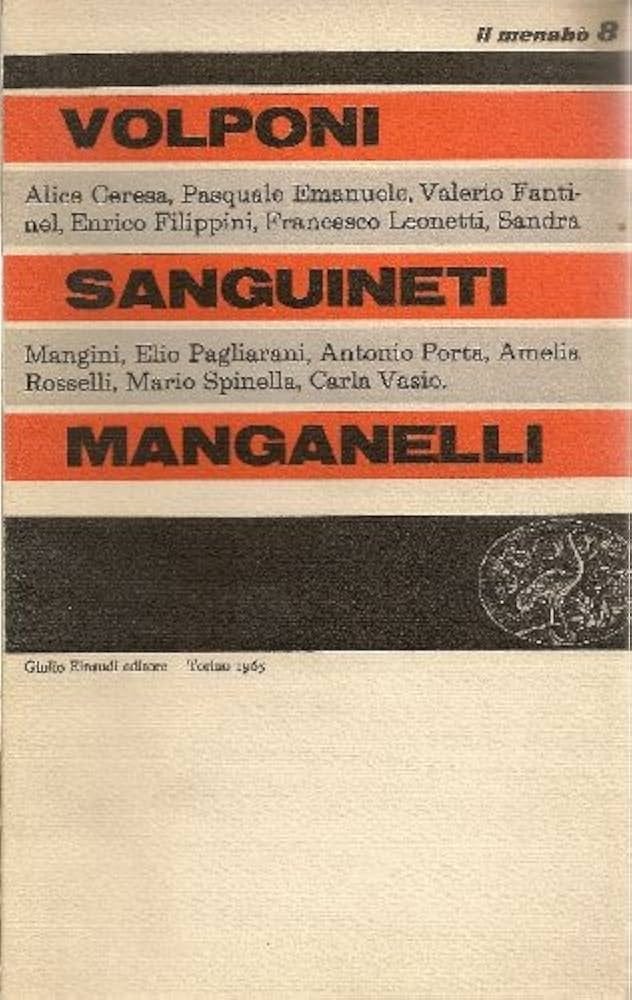
In these works, Calvino’s Marxist sensibilities were transmuted into irony and metaphor. Rather than writing overt political tracts, he crafted stories in which deeper social critiques are embedded in fantasy. At the same time, Calvino remained an active cultural commentator. With his friend Vittorini, he co-edited Il Menabò, a literary journal devoted to examining literature’s place in the modern industrial age.
After leaving the Party, Calvino was grappling with how writers should respond to rapid industrialisation and societal change. He also continued contributing articles to various left-leaning publications, though his tone grew more independent and critical of orthodox Marxism. In 1960 Calvino penned an essay satirising the Italian Communist Party’s stagnation, tellingly titled “Becalmed in the Antilles” (alluding to a ship stuck in windless seas).
Clearly, his disillusionment with rigid ideology did not end his political reflections; it simply gave him a new, more nuanced vantage point. Calvino’s horizons were broadening geographically as well. In 1959–60 he traveled to the United States on a Ford Foundation grant, spending time in New York City and beyond.
The trip was eye-opening. He was impressed by the energy of American life – later quipping, “My city is New York” – even as he retained a European writer’s critical lens.
Exposure to America’s modernity, mass media, and urban scale may have further stimulated Calvino’s interest in science and technology as literary fodder. Shortly after, he began writing the Cosmicomics stories, which delightfully blend scientific concepts (like the origin of the universe or evolution) with playful fabulism. This mixture of rationality and imagination became a hallmark of Calvino’s mature style.
Calvino and the Oulipo Movement
By the mid-1960s, Calvino had established himself as a leading voice in Italian literature – yet he never stopped searching for new approaches to storytelling. A significant next step in his evolution came through contact with the French avant-garde. In 1967, Calvino moved to Paris with his wife and young daughter, settling in the vibrant intellectual scene of the city. Paris in the late ‘60s was a hotbed of structuralist theory, experimental writing, and of course political ferment (the student protests and general strike of May 1968 were just around the corner). Calvino arrived right in time to witness these upheavals – he wrote an excited letter about experiencing the “extraordinary city without cars” during the May ’68 events and sensing that “something is really changing in Europe”.
While Calvino sympathised with the youthful revolutionary spirit, he also noted the students’ mistrust of the established Communist Party. This mirrored his own view that new thinking was needed on the Left beyond the old dogmas. In Paris, Calvino soon joined a circle of writers and thinkers who would profoundly influence his work: the Oulipo group. Oulipo, short for Ouvroir de littérature potentielle (“Workshop of Potential Literature”), was a collective of writers and mathematicians devoted to exploring literature through structural constraints and playful experimentation.
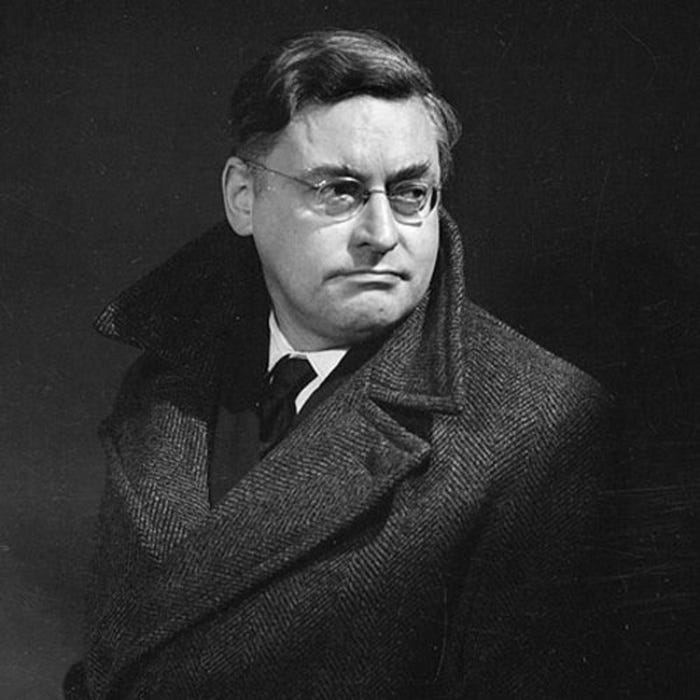
Raymond Queneau, a founder of Oulipo, invited Calvino to join in 1968. There Calvino met figures like Georges Perec and Roland Barthes, absorbing ideas that stressed form, patterns, and the combinatorial possibilities of language. This was a marked shift from the realist and ideological literary climate of his youth. Instead of seeing literature primarily as a means to reflect or change society, the Oulipians treated literature as a game, a laboratory for invention where constraints (like mathematical patterns, word puzzles, or invented rules) could spark creativity.
For Calvino, the Oulipo experience was liberating. He had always had a systematic streak – as a boy he loved categorising plants and animals, and as a writer he was drawn to encyclopedic structures and classification.

Now, he found a milieu that celebrated those tendencies. In the late 1960s and 1970s, Calvino’s works increasingly exhibit Oulipian influence. He experimented with combinatorial storytelling, as seen in The Castle of Crossed Destinies (1973), a collection of tales structured around Tarot card sequences that different characters lay out. He also embraced metafictional play, most famously in If on a Winter’s Night a Traveler (1979), a novel composed of multiple story beginnings that repeatedly interrupt each other, forcing the reader to start over again and again.
Such structures underscore Calvino’s delight in the act of storytelling itself, as well as his acceptance that reality can only ever be grasped in fragmentary, subjective narratives – a very postmodern notion. Even as Calvino played with form, he never abandoned intellectual depth. In Paris he interacted with structuralist and semiotic theorists and absorbed contemporary ideas about language. The result was fiction that is playful on the surface but philosophically resonant underneath. For example, Calvino’s story collection t zero (1967, also known as Time and the Hunter) contains stories that revisit earlier Cosmicomics tales but with experimental variations – effectively commenting on the nature of time, narrative, and perspective.
This union of scientific concept, formal constraint, and whimsical tone made Calvino a unique figure straddling modernism and postmodernism. By the early 1970s, critics recognized him as a leading innovator in European literature, comparable to Borges or Perec in his blending of fantasy and intellect. It’s worth noting that Calvino’s turn to structure and play was not a repudiation of his earlier concerns, but rather a reinvention of how to approach them. Having grown skeptical of grand ideologies and “single truths,” Calvino seemed to channel his humanistic ideals into a quest for multiplicity – seeking truth by embracing many angles, many stories, and the imagination’s capacity to enlarge our perspective.
The Oulipo’s influence gave him new tools to pursue age-old questions: How do we impose order on chaos? How do patterns help us find meaning? In a way, Calvino’s interest in literary constraint can be seen as a response to a world that was itself becoming more complex and fragmented. The 20th century’s latter half was a time of information explosion, of cold war paradoxes, and (by the 1970s) of disillusionment with both capitalism and communism. Through intricate literary games, Calvino managed to reflect a reality where meaning is something we construct, piece by piece, rather than receive from on high. His work from this period invites readers to participate in making sense of the story, rather than being passive consumers of a linear narrative.
Invisible Cities: Urbanism, Multiplicity, and the Imagination
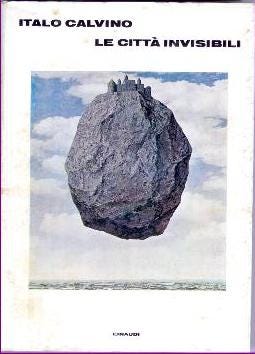
If one work encapsulates Calvino’s philosophical and stylistic principles, it is Invisible Cities (Italian: Le città invisibili, 1972). This slim novel is a feat of imagination and structural elegance, regarded as Calvino’s masterpiece.
Ostensibly, Invisible Cities is about the Venetian traveler Marco Polo describing a series of fantastical cities to the aging Mongol emperor Kublai Khan. In reality, the book is a meditative exploration of urban life, human aspiration, memory, and the very art of description. It is also a product of its intellectual context, blending Calvino’s post-neorealist social awareness with his Oulipian love of patterns and his lifelong fascination with myth and fable. Structurally, Invisible Cities is organised as a kind of poetic matrix.
Polo’s descriptions of 55 imaginary cities are arranged into eleven thematic groups (cities of Memory, of Desire, of Signs, etc.), each theme revisited five times. Framing these descriptions are brief dialogues between Polo and Kublai Khan that reflect on the limits of language and understanding.
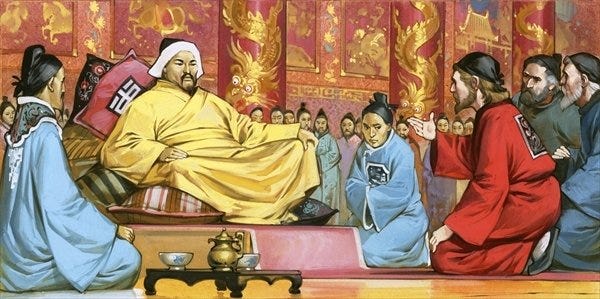
The book deliberately eschews a linear plot; instead, it invites the reader to wander mentally through a “catalogue of forms” – the innumerable possible shapes a city (and by extension, human society) can take. Calvino once wrote, “The catalogue of forms is endless: until every shape has found its city, new cities will continue to be born. When the forms exhaust their variety and come apart, the end of cities begins.”
This idea, expressed by Marco Polo in the novel, speaks to multiplicity as a core principle: human imagination can generate endless variations of how we live together, and only when we lose our imaginative capacity do our cities (or civilizations) stagnate and die.
Urbanism is a central concern of Invisible Cities. Writing in the early 1970s, Calvino was keenly aware of contemporary anxieties about city life – from overcrowding and pollution to the impersonal complexity of modern metropolises. (In 1972 – the year Invisible Cities was published – was also when the Club of Rome’s famous Limits to Growth report appeared, warning of unchecked urban and population growth.)
Rather than tackling these issues with didactic realism, Calvino approached the “urban crisis” obliquely, through fable-like tales.
Each invisible city that Marco Polo describes is a surreal exaggeration of some aspect of urban existence, at once nowhere and everywhere. There are cities built on stilts high above the ground, cities that stretch endlessly in every direction, cities of memory that consist of the relationships between its people, and even a city that contains its own negative image. Through these fantastical variations, Calvino engages with what cities mean – how they reflect human desires, fears, and social structures.
Crucially, he conceives the city not just as an urbs (a collection of buildings) but as a civitas – a community of people. As one commentator notes, “for Calvino the city is not a simple conglomerate of houses and buildings… but a combination of men and women who live together… a complex project of re-founding the human community upon fairer and more rational bases”. In this light, Invisible Cities can be read as a utopian exercise: an attempt to imagine, via parable, how people might coexist in better or different ways.
The language of Invisible Cities is lyrical and evocative. Calvino’s prose – even in translation – has a crystalline clarity and lightness. He invites the reader to savor paradoxes and mysteries. Many of the cities Marco describes have an air of melancholy or menace under their beauty, subtly reflecting the real-world concerns of the 20th century.
For example, one recurring theme is the fragility of human endeavour: cities that crumble or transform, as if to suggest the transience of all cities (Venice, the implicit model, being a city slowly sinking into its lagoon). Yet the tone is never despairing. Instead, Calvino’s cities float in a space of possibility, encouraging the reader to make connections and find meaning. Each short chapter is like a prose poem, and between them are the dialogues where Kublai Khan, representing a kind of rational power or empirical skepticism, questions Polo about whether all these incredible cities are true. Polo, who sometimes must communicate through gestures or objects (since at first he and the Khan lack a common language), essentially tells him that truth is in the imagining.
The emperor’s empire is vast and disorderly; Marco’s tales impose a kind of order – or at least an illumination of pattern and meaning – on the world. In the final section of Invisible Cities, Calvino offers one of his most quoted insights, a passage that distills his mature outlook on hope and despair. Polo says to the anxious Khan:
“The inferno of the living is not something that will be; if there is one, it is what is already here, the inferno where we live every day, that we form by being together. There are two ways to escape suffering it. The first is easy for many: accept the inferno and become such a part of it that you no longer see it. The second is risky and demands constant vigilance and apprehension: seek and learn to recognise who and what, in the midst of the inferno, are not inferno, then make them endure, give them space.”
It is a phenomenal section, better to be committed to memory than left unattended. In these lines, delivered as Marco Polo’s parting wisdom, resonate as intended far beyond the book’s context.
Calvino is speaking about the human condition: we already live amid an “inferno” – a world riven by constant injustice, violence, and confusion – but we must train ourselves to identify the pockets of goodness, truth, and beauty (“who and what are not inferno”) and protect those sparks of light.
It is a call for vigilant humanism in the face of cynicism. Invisible Cities thus crystallises Calvino’s philosophical principles. It embodies urbanism as a canvas for human hopes and failings, multiplicity as a virtue (there is never just one perspective or one story, but many), and imagination as not only an artistic tool but an ethical one.
The novel’s influence has been vast – inspiring architects, urban planners, and writers – because it captures the simultaneous wonder and anxiety of urban civilisation in a way that is timeless. It’s also deeply rooted in Calvino’s personal evolution: only a writer who had lived through ideological battles and embraced structural experimentation could produce such a work that is at once politically resonant and formally innovative.
A Response to a Changing Century
Calvino’s intellectual journey from youthful communist to postmodernist can be read as a microcosm of the wider changes in European thought over the 20th century.
He began in the postwar era of grand ideologies, when many intellectuals believed fervently in political theories (Marxism, in his case) as blueprints for a just society. He directly engaged in the ideological struggles of his time – joining the Communist Party, fighting fascism, debating the role of literature in class struggle.
But as the decades wore on, Calvino, like many of his contemporaries, witnessed the crumbling of certainties. The revelations of Stalinist terror and events like the Hungarian revolt forced leftist thinkers to confront the dark side of their utopian dreams. Meanwhile, the Western capitalist world was not delivering paradise either, beset by its own crises and the alienation of modern life. Rather than succumb to disillusionment or swap one dogma for another, Calvino chose a third path: he moved toward intellectual independence, valuing curiosity over certainty and questions over answers.
His eventual disillusionment with ideology did not lead him to apathy; instead it led him to seek new ways of understanding. In the 1960s and 1970s, this meant engaging with the structuralist and postmodern turn in culture. Calvino’s interest in semiotics, combinatorics, and the science of complexity can be seen as a response to a world that no longer seemed explainable by simple ideological formulas. If society was not moving neatly toward a Marxist utopia or any clear destiny, perhaps one could find meaning in patterns, in knowledge, in the act of creation itself. Calvino’s later essays and lectures (such as the celebrated Six Memos for the Next Millennium, written in 1985) emphasise literary values like Lightness, Multiplicity, and Exactitude, which reflect a mindset attuned to a complex, information-rich age.
These are qualities that counter the heaviness of dogma and the chaos of raw experience. In Six Memos, Calvino explicitly champions lightness (a touch of the ethereal, the ability to “subtract weight” from realities) and multiplicity (the embrace of numerous, interwoven threads of meaning) as virtues for literature in the 21st century. Implicitly, he is offering these values as correctives to the 20th century’s failures – the weight of totalitarian regimes, the single-track thinking of ideological purity, and the fragmentation of knowledge into silos.
We can also view Calvino’s trajectory as a long reckoning with the legacy of modernity. Born under fascism, coming of age under the banner of anti-fascist communism, maturing in an era of Cold War stalemate and then witnessing the cultural revolutions of the 1960s and the terror of the 1970s, Calvino was extraordinarily well-placed to comment on how the world had changed.
Though he died in 1985, just before the fall of communism in Eastern Europe, Calvino had long foreseen the hollowing out of that grand narrative. In a 1970s piece, he wryly asked, “Have I been a Stalinist too?” while calmly acknowledging the errors of the 1950s. By then, he had become a kind of constructive skeptic – someone who could poke fun at past certainties while still searching for new principles to believe in (albeit provisional ones).
The collapse of old certitudes in the late 20th century found Calvino turning toward the fundamental tools of a writer: words, structures, stories. If politics could not create paradise, maybe careful attention to language and imagination could carve out small zones of meaning and connection. It’s telling that Calvino never entirely gave up on the idea of a better society. The communist ideal of a fair, rational community of humans morphed, in his mind, into an ideal of literature as a fair, rational, but open-ended enterprise of communication.
We see this in his constant return to the image of people coming together – whether it’s around a fire telling tales (Castle of Crossed Destinies), in a city square exchanging memories (Invisible Cities), or metafictionally, writer and reader engaged in a pact (If on a Winter’s Night a Traveler). Calvino’s work suggests that while he lost faith in organized ideology, he retained faith in human dialogue and creativity as the forces that could still shape a livable world. This outlook was very much a response to the 20th century: after witnessing how absolute certainty leads to violence, Calvino embraced play and ambiguity as not just aesthetic choices but almost ethical ones. They allow multiple voices to exist, prevent any single story from dominating, and keep the individual imagination free. In a century where propaganda and rigid narratives had wreaked havoc, Calvino’s multifaceted, playful storytelling was quietly subversive – it refused to be pinned down by any authority.
Legacy
What does Calvino offer to us in today’s world of disinformation, cultural fragmentation, and ecological peril? Quite a lot. Although he wrote in and about the 20th century, Calvino anticipated many of the challenges that define our present century. In an age of disinformation, for instance, we often struggle with the fact that reality itself feels like a maze of competing narratives, and truth can be hard to discern. Calvino’s response to a similar problem was to encourage readers to become active interpreters. His works don’t hand down truths from on high; instead, they ask the reader to engage, to notice patterns, to think critically and imaginatively. This is a useful exercise for anyone navigating today’s media landscape. Calvino also believed in the precision of language – his value of “Exactitude” in Six Memos speaks to the need to say only what needs to be said, as clearly as possible.
In combating disinformation, this precision and clarity (combined with creativity in how we communicate facts) is a potent tool. Regarding cultural fragmentation, our era often feels like an “inferno” of clashing perspectives, tribalism, and lost common ground. Calvino’s work offers a vision of finding unity in diversity. He shows that embracing multiplicity – acknowledging that the world is a kind of Invisible City made of countless stories – can actually be enriching rather than confusing. In his fiction, the answer to fragmentation is not to impose a single order (which inevitably fails) but to weave a web of connections among disparate pieces.
This is evident in how Invisible Cities ends not with a grand conclusion but with that advice to “seek and learn to recognise who and what, in the midst of the inferno, are not inferno, then make them endure, give them space”. In other words, find the meaningful parts in the chaos and build on them. That’s advice that translates well to society at large: identify common human values and cherished pockets of culture, and cultivate them to hold us together amid plurality.
Finally, on the ecological crisis: Calvino was not an environmental activist, but his sensitivity to the interplay of nature, humans, and technology was ahead of its time.
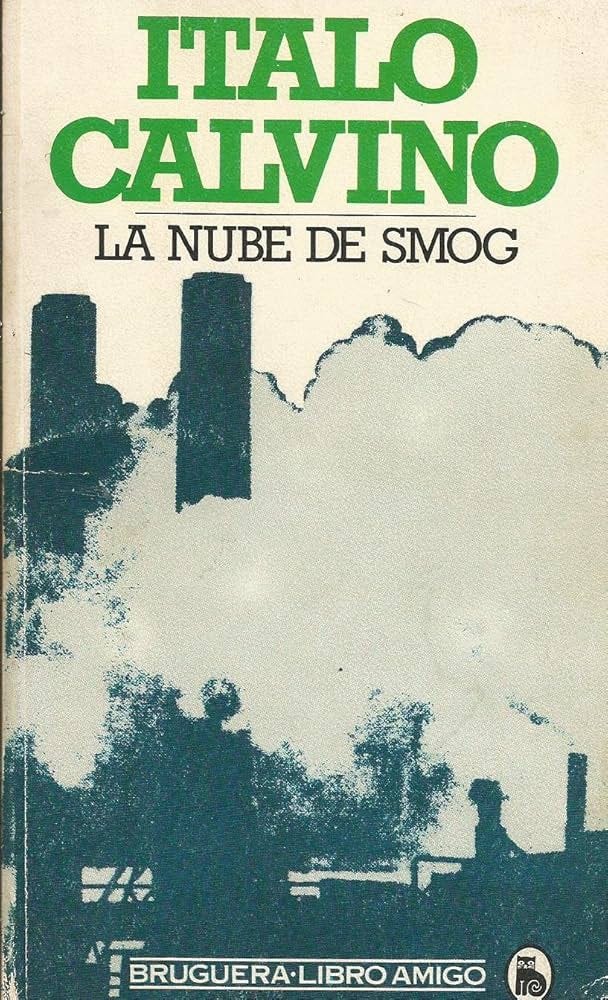
In the 1950s, he wrote a short story called The Cloud of Smog, satirising urban pollution and people’s indifference to it. This shows he was attuned to environmental issues arising from Italy’s postwar industrial boom. In Invisible Cities, there is a subtle ecological consciousness too – many of the imaginary cities highlight an unsustainable extreme (a city that endlessly accumulates garbage, for example, or one that is all metal and gears). These serve as cautionary allegories about imbalance between people and their environment. Calvino’s value of “Lightness” can also be read in ecological terms: a plea for a lighter footprint, a more sustainable way of living that doesn’t crush the earth with our weight (be it physical pollution or the weight of our egos).
Moreover, Calvino’s faith in imagination is crucial for tackling the ecological crisis – to envision futures that are not dystopian, to creatively re-imagine how we live on this planet. His utopian imagination, tempered by irony, encourages us not to accept the doom-laden narrative that the future is inevitably an inferno, but to actively dream and build something different. In conclusion, Italo Calvino’s body of work remains strikingly relevant and heartening. From his early communist-influenced realism to his later fantastical puzzles, Calvino traversed the intellectual currents of his century with a unique combination of seriousness and playfulness. He engaged with communism, existentialism, structuralism, and postmodernism, but was never confined by any of them. His fiction and essays show an evolution from conviction to questioning, from advocating change through ideology to advocating understanding through imagination. Yet through all the changes, a thread of humanist optimism persists – a belief that even if we live in an “inferno,” we can find a way to see the light and perhaps expand it. In our fragmented, crisis-prone 21st-century world, Calvino’s lightness, clarity, and multiplicity offer an inspiring model for how to navigate complexity without losing hope.
As readers and citizens, we might take a page from Calvino and approach our reality as he approached literature: with an eye for patterns, a respect for multiple voices, and a willingness to transform even the harshest truths into catalysts for empathy and wisdom.